
Author: HEDC-Author

Recipes for Relapse – Avoiding the Relapse Trap

Understanding and living with substance abuse is challenging whether you’re the addict or the loved one trying to cope with it.

You cannot control everything. You have no influence over what other people say or do, and life will create circumstances that are uncomfortable. If you’re a recovering addict you know this, you’ve heard it a hundred times, and you’ve lived it. Yet there are things that make you want to use again. One of the most important aspects of recovery and staying sober is recognizing triggers – the things that make you want to justify using again.

There are many types of triggers, all of which can be a recipe for relapse. Recognizing these triggers and putting a stop to them can help you or a loved one avoid the trap of relapse and stay on the journey of recovery.

According to addictioncenter.com, triggers for relapse generally fall into three categories: emotional, environmental, or exposure. It is important to recognize these triggers and identify what makes you or your loved one justify wanting to use again.

Is it emotional? These types of triggers can be both positive and negative. Positive triggers can be the memories of celebrations in the past – good memories having fun with friends, falling in love, or achieving an important goal. Negative triggers can be memories of heartache, such as the loss of a loved one or a bad break-up. Memories that are so painful you wish to be numb or forget them entirely.
Read More

Side Effects of Botox

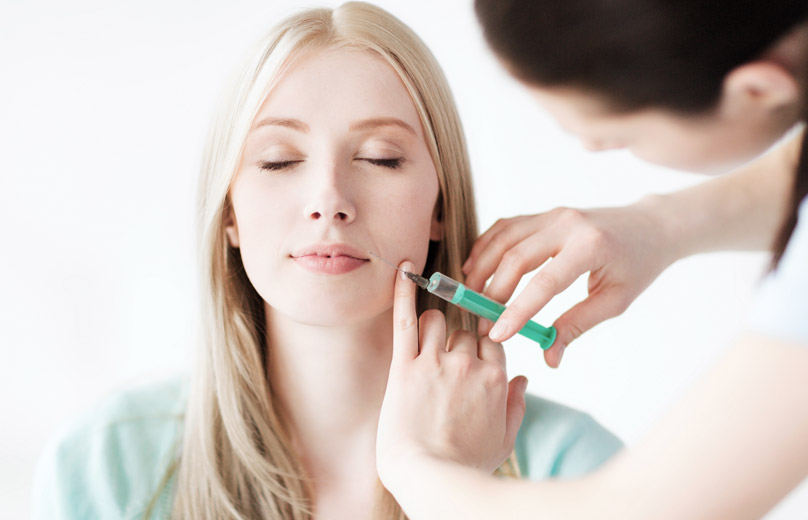
Many people have botox injections to smooth out or prevent wrinkles and experience no side effects whatsoever. However, there are some side effects to Botox injections that can happen for various reasons.

One of the more common side-effects is a drooping eyelid – called ptosis – when injections are placed close to the eye perimeter. While this can be treated with another medication it is better if it doesn’t happen at all.

There are things you can do to prevent side effects such as these from occurring.

  • Always make sure the injections are done by a fully trained plastic surgeon who understands the facial muscles and their interaction with each other and who is experienced in doing Botox treatment.
  • To prevent ptosis, make sure the injection site is at least 2cm outside the orbital rim.
  • Do not rub or massage any injection site as this can move the serum to other parts of the face.
  • Do not indulge in hard physical exercise for 12-24 hours after the injections.
  • Always tell your physician if you are on any other medications or have any other medical condition, including inflammatory skin conditions.
  • Tell the doctor if you are pregnant or lactating.
  • The first time you have Botox treatment, have the doctor use a smaller dose to make sure there are no ill effects and see how your body reacts to it.

Read More

eating-disorders

Body Image and Eating Disorders

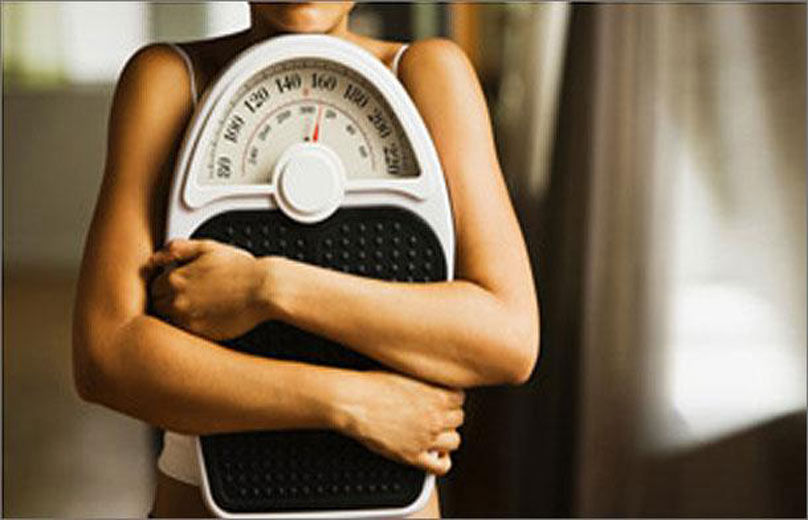
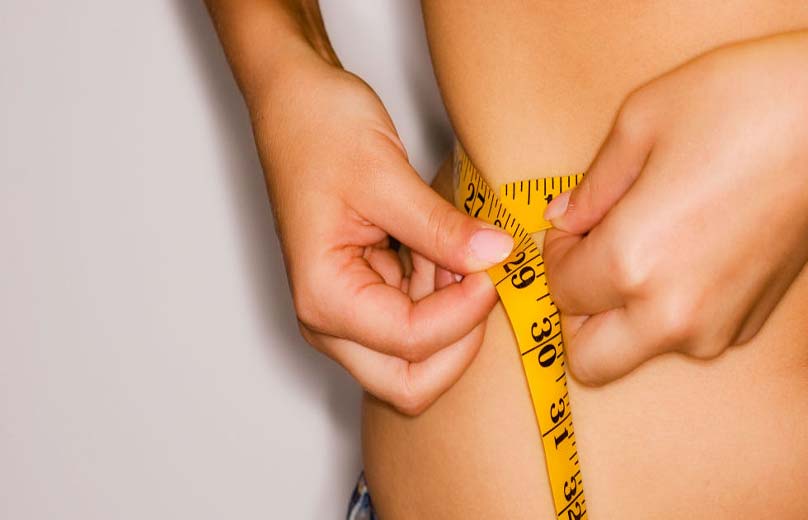
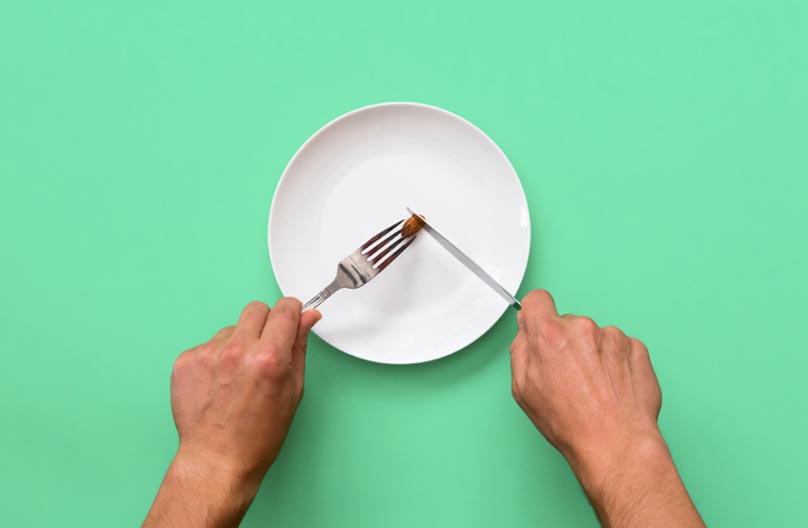
With all those women’s magazines and the television and digital marketing ads produced by digital agencies constantly talking about body image – and very often insisting that the ‘best’ body image is an extremely thin one, it is no wonder young women suffer from eating disorders. But it is not only the media that constantly talks about it; social media such as Facebook, which often means your friends and family are at fault too.

If someone gets a little overweight they are harassed and bullied or treated unkindly by their peers, siblings and sometimes their parents. This makes them feel that their self-worth is measured by their weight, which is in reality very far from the truth. But this is where it starts and before long all that person can think about is that they must lose weight, no matter how thin they have become already.

Read More

Understanding Eating Disorders

Understanding Eating Disorders

Facts and Findings


Facts

  • More than 5 million Americans experience eating disorders.  (14)
  • Anorexia nervosa, bulimia nervosa, and binge-eating disorder are diseases that affect the mind and body simultaneously.  (14)
  • Three percent of adolescent and adult women and 1% of men have anorexia nervosa, bulimia nervosa, or binge-eating disorder.  (14)
  • A young woman with anorexia is 12 times more likely to die than other women her age without anorexia.  (19)
  • Fifteen percent of young women have substantially disordered eating attitudes and behaviors.  (13)
  • Between 10% and 15% of those diagnosed with bulimia nervosa are men.  (1)
  • Forty percent of fourth graders report that they diet either “very often” or “sometimes.”  (8)
  • About half of those with anorexia or bulimia have a full recovery, 30% have a partial recovery, and 20% have no substantial improvement.  (10)

Read More

Helping Your Friend With Eating Disorder

Helping Your Friend With Eating Disorder

Helping Your Friend

Please note: For ease in reading, we have used “she” and “her” in the description below even though eating disorders exist in men, women, girls, and boys. This advice is suitable for a child of either gender.

Click here if your friend is already getting help.

If your friend doesn’t admit to having a problem and/or doesn’t want help, the best way to approach her is to help her see that she needs assistance. However, you’ll need to prepare yourself well since approaching a friend with an eating disorder can be tricky.

Remember that her eating disorder is a desperate way of trying to cope with underlying problems. Even though you can see her disorder as unhealthy and unproductive, your friend may view her eating habits as a lifeline. That is why it is common for someone with an eating disorder to get upset or mad if you try to help her. She may fear that you are going to take away her only coping mechanism. She may deny the problem, be furious that you discovered her secret, or feel threatened by your caring. When you raise your concerns, give your friend time and space to think and respond.

Before approaching your friend, find out about resources for help in your community so that you can offer her a strategy to connect with that help.

Read More

Helping Yourself With A Eating Disorder

Helping Your Child With Eating Disorders

Helping Your Child

Please note: For ease in reading, we have used “she” and “her” in the description below even though eating disorders exist in men, women, girls, and boys. This advice is suitable for a child of either gender.

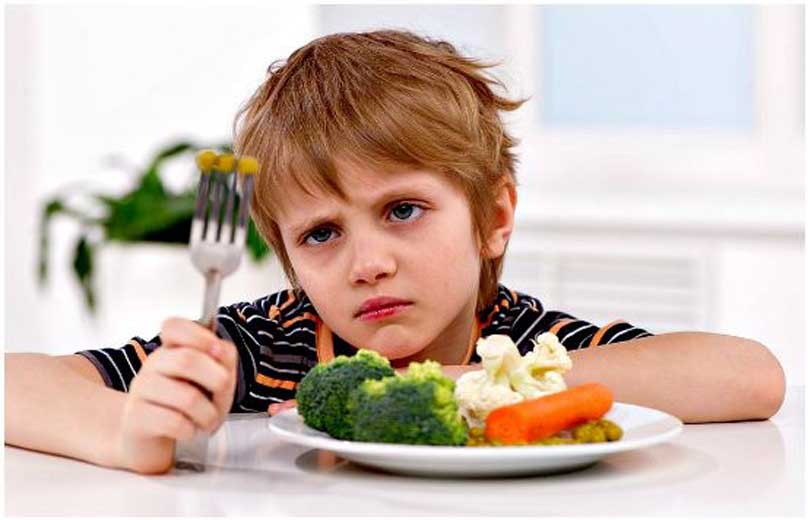
First, remain calm. Approaching a child with an eating disorder can be tricky. Naturally, it is very upsetting to discover that your child might have an eating disorder. If you are panicked, talk to your pediatrician, your partner, or a trustworthy family member or friend. Avoid letting your child overhear you or see you distraught.

Find resources. Before approaching your child, you need to find out what resources are available for your child and for your family, so you can offer her a helpful strategy. Talk with your pediatrician, internist, and school counselor or nurse for information and referrals. You might want to talk to another parent who has been in a similar situation for support and information about available resources. Learn as much about eating disorders as you need to feel like an informed parent and advocate.

Meet with a referred therapist initially – without your child, but with your partner – to learn how the therapist practices and to discuss the best strategy for approaching your child. If you are feeling strong emotions such as anger towards your child, you might want to work with a therapist on your own before approaching her.

Read More

Page 3 of 3

© Copyright 2018. Harvard ED Center : All rights reserved | Health & Medical Education Blog – Website Design: Web Netz